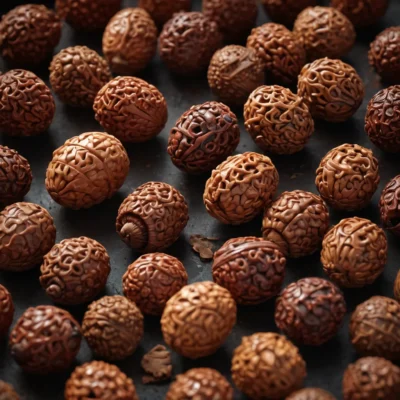
Rudraksha beads have been respected for centuries in Vedic and Shaiva traditions. They are often seen around the necks of meditators, saints, and spiritual seekers, and they are also worn by householders who want to maintain a sense of devotion and discipline in daily life.
For beginners, however, Rudraksha can feel confusing. People often ask: What exactly are these beads? Are all Rudraksha the same? How do I choose the right one? How can I tell if a Rudraksha is original?
This blog post answers those questions in a clear and respectful way. It is designed to educate beginners, address common doubts, and help online buyers make informed decisions—without exaggerated promises or medical claims.
What Are Beads Rudraksha?
Beads rudraksha are natural seeds obtained from the Rudraksha tree (Elaeocarpus ganitrus). These trees are commonly found in Nepal, India, and parts of Southeast Asia. Each seed has grooves or lines on its surface.
These lines are known as “mukhi,” meaning “face.” The number of mukhi lines on a bead is used to classify its type.
Why Rudraksha Is Considered Sacred
In Shaiva traditions, Rudraksha is closely associated with Lord Shiva. A well-known traditional belief describes Rudraksha as connected to Shiva’s spiritual energy and compassion, which is why devotees wear it during meditation, chanting, and daily worship.
This meaning is a matter of faith and tradition, and it is respected as a spiritual symbol in Hindu culture.
Why Do People Wear Beads Rudraksha? (Traditional Beliefs)
Rudraksha is primarily worn for spiritual reasons. Traditionally, it is used as a support for japa (mantra repetition), meditation, and devotional practice.
Common Spiritual Reasons
People wear beads rudraksha to support:
-
A steady meditation routine
-
Mantra chanting and prayer
-
Devotion to Lord Shiva
-
Inner discipline and spiritual focus
-
A lifestyle of simplicity and self-control
Traditional Beliefs About Inner Well-Being
From a spiritual perspective, Rudraksha is believed to support calmness, emotional balance, and clarity of mind. Many practitioners feel it helps them stay centered during stressful situations and maintain a devotional mindset.
Important note: These are traditional beliefs and spiritual perspectives. Rudraksha is not a medical treatment and should not be used as a substitute for professional healthcare. No outcomes are guaranteed.
Mukhi Rudraksha Types Explained Simply
The type of Rudraksha is determined by the number of mukhi (lines). Each mukhi is traditionally associated with certain deities and symbolic qualities.
Below are some of the most commonly known mukhi Rudraksha types.
1 Mukhi Rudraksha
Traditionally associated with higher spiritual awareness and renunciation. It is rare and usually recommended only with proper guidance.
5 Mukhi Rudraksha
The most commonly worn Rudraksha. It is widely used for japa and daily spiritual practice, and it is often recommended for beginners.
6 Mukhi Rudraksha
Traditionally associated with willpower, discipline, and confidence. Many people choose it when they want more focus in studies or work, as a spiritual intention.
7 Mukhi Rudraksha
Traditionally linked with stability and prosperity. It is often chosen by people seeking grounding and steady growth in life.
9 Mukhi Rudraksha
Traditionally connected to Shakti energy and courage. It is sometimes chosen by strong spiritual seekers who want inner strength and determination.
Beginner suggestion: If you are new to Rudraksha, a 5 mukhi bead is usually a safe and widely used choice for daily wear.
Rudraksha Mala vs Single Beads Rudraksha
Rudraksha is commonly worn either as a single bead or as a mala.
Single Rudraksha Bead
A single bead is often worn as:
-
A pendant
-
A bracelet
-
A simple thread around the neck
This is a good option for people who want a minimal, daily spiritual companion.
Rudraksha Mala
A Rudraksha mala usually has 108 beads or 54 beads. It is traditionally used for:
-
Mantra repetition
-
Meditation practice
-
Daily worship and spiritual discipline
A mala is best for people who want to use Rudraksha as a structured part of their spiritual routine.
How to Wear Rudraksha (Simple Guidelines)
Many people worry about rules. Rudraksha does not need fear-based restrictions. Traditional practice emphasizes cleanliness, respect, and sincere intention.
Common Ways to Wear
-
As a mala around the neck
-
As a bracelet on the wrist
-
As a pendant close to the heart
Traditional Practices (Optional)
Many devotees prefer to:
-
Wear Rudraksha after bathing
-
Chant “Om Namah Shivaya” while wearing it
-
Keep it in a clean place when not wearing
-
Avoid chemical exposure like perfume or detergent
The most important element is devotion and sincerity, not perfection.
How to Identify Rudraksha Beads Original (Online Buyer Checklist)
Because Rudraksha is in high demand, there are many imitations in the market. Learning basic authenticity checks can help you buy confidently.
Signs of Original Rudraksha Beads
Look for:
-
Natural mukhi lines that are clearly visible
-
A seed-like texture (not plastic-like or overly smooth)
-
Natural pores and irregularities (perfect uniformity can be a warning sign)
-
Clear product details such as size, mukhi, and origin
-
Certification for higher mukhi or rare beads
Red Flags to Avoid
Be cautious if:
-
Rare mukhi beads are sold at extremely low prices
-
The mukhi lines appear carved or artificial
-
The seller makes exaggerated claims or promises guaranteed results
-
Photos are unclear or do not show the bead properly
How to Choose the Right Beads Rudraksha for You
Choosing Rudraksha becomes easier when you focus on your purpose.
Here is a simple traditional guide:
-
For daily peace, japa, and routine spiritual practice: 5 Mukhi
-
For focus and disciplined effort (spiritual intention): 6 Mukhi
-
For grounding and stability (traditional belief): 7 Mukhi
-
For courage and inner strength (traditional belief): 9 Mukhi
If you feel unsure, consult someone experienced before buying—especially if you are considering rare mukhi beads.
Care Tips for Beads Rudraksha
Rudraksha is natural and lasts a long time when maintained properly.
Simple care steps:
-
Wipe with a dry, clean cloth regularly
-
Avoid perfumes, soaps, and harsh chemicals
-
Do not soak in water for extended periods
-
Store in a clean pouch or box when not in use
-
Optional: apply a tiny amount of natural oil occasionally
FAQ: Beads Rudraksha
Can anyone wear beads rudraksha?
Traditionally, yes. Rudraksha is worn by spiritual seekers and householders alike. Respect and intention are considered most important.
Which Rudraksha is best for beginners?
The 5 mukhi Rudraksha is commonly recommended for beginners because it is widely used for everyday spiritual practice.
Can Rudraksha be worn daily?
Yes. Many people wear it daily as part of their spiritual routine.
Do Rudraksha beads guarantee results?
No. Any benefits mentioned are traditional beliefs, not guaranteed outcomes.
How can I ensure I am buying original Rudraksha beads?
Buy from trusted sellers, check mukhi lines carefully, request clear photos, and look for certification for rare types.
Conclusion: A Simple Spiritual Support for Daily Life
Beads rudraksha hold a respected place in Vedic and Shaiva traditions. They are not meant to replace effort, prayer, or discipline. Instead, they are traditionally seen as sacred companions that support devotion, meditation, and spiritual focus.
If you want to explore original Rudraksha beads and choose a suitable mukhi for your spiritual path, it is best to consult experienced sources and buy from trusted sellers.
Browse authentic Rudraksha beads here:
https://mukhirudraksha.com/