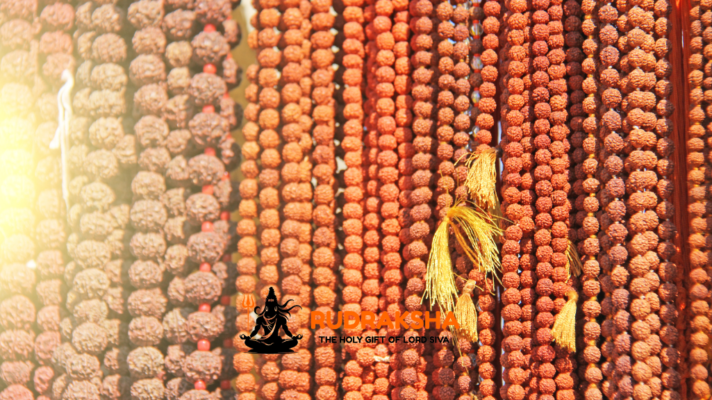
Rudraksha beads have fascinated saints, yogis, and spiritual seekers for thousands of years. You may have seen them as malas (rosaries) around the neck of sadhus, on the wrists of meditators, or even worn discreetly under clothes by professionals seeking peace and protection.
If you’ve ever wondered what Rudraksha beads really are, how they work (according to tradition), and how to choose and wear them, this guide is for you.
In this blog, we’ll explore:
-
What Rudraksha beads are and their origin in Vedic tradition
-
The spiritual significance and traditional benefits of Rudraksha
-
Different types (mukhi) and what they represent
-
How to choose original Rudraksha and avoid fakes
-
How to wear, care for, and use a Rudraksha mala
-
A short FAQ to answer common questions
Important Note: All benefits described here are based on traditional beliefs and spiritual perspectives, not proven medical science. Rudraksha should not be used as a substitute for medical treatment or professional advice.
What Are Rudraksha Beads?
Rudraksha beads are the dried seeds of the Rudraksha tree (Elaeocarpus ganitrus), found mainly in regions of Nepal, India, and Indonesia. These seeds are naturally divided into segments called “mukhi” or “faces.”
Meaning of the Word “Rudraksha”
The word Rudraksha comes from two Sanskrit words:
Rudra – a form of Lord Shiva
Aksha – tear or eye
According to traditional stories, Rudraksha beads are said to have originated from the tears of Lord Shiva, symbolizing compassion and protection for beings seeking liberation.
How Rudraksha Beads Are Used
Traditionally, Rudraksha beads are used for:
Japa (mantra chanting) using a 108-bead Rudraksha mala
Wearing as jewelry – necklaces, bracelets, pendants
Spiritual support in meditation, yoga, and daily life
Again, their effects are understood in a spiritual and traditional sense, not as guaranteed outcomes.
Spiritual Significance of Rudraksha Beads
In Vedic and yogic traditions, Rudraksha beads are considered sacred and are believed to carry subtle energetic vibrations.
From a traditional spiritual perspective, Rudraksha beads are believed to:
Support focus and concentration during meditation
Promote inner calmness and emotional stability
Offer energetic protection from negative influences
Help the wearer feel more grounded and connected to their spiritual path
Many spiritual seekers feel that wearing Rudraksha reminds them of their connection with Shiva consciousness – the aspect of pure awareness and inner stillness.
These are traditional and devotional beliefs, not scientifically proven facts.
Understanding Mukhi: Types of Rudraksha Beads
Each Rudraksha bead has natural vertical lines on its surface, called mukhi (faces). A bead can have:
1 Mukhi Rudraksha – one face
2 Mukhi Rudraksha – two faces
… and so on, commonly up to 14 mukhi, and some rare higher types
Each type is associated with specific deities, planetary energies, and traditional benefits.
1 Mukhi Rudraksha (Eka Mukhi Rudraksha)
Symbolically connected with: Lord Shiva
Traditional belief: Represents pure consciousness, detachment, and higher spiritual awakening
Often regarded as very rare and highly revered in spiritual circles
Be very careful when buying 1 Mukhi Rudraksha, as many fakes exist. Always seek trusted sources and certification.
2 Mukhi Rudraksha
Symbolically connected with: Ardhanarishvara (divine union of Shiva and Shakti)
Traditional belief: Supports harmony, balance in relationships, and emotional healing
3 Mukhi Rudraksha
Symbolically connected with: Agni (fire)
Traditional belief: Associated with burning past impressions and inner purification
4 Mukhi Rudraksha
Symbolically connected with: Lord Brahma
Traditional belief: Linked to creativity, learning, and communication
5 Mukhi Rudraksha (Most Common)
Symbolically connected with: Kalagni Rudra (a form of Shiva)
Traditional belief: Encourages peace of mind, spiritual growth, and alignment with dharma
Commonly used in Rudraksha mala for daily japa and meditation
Higher Mukhi Rudraksha (6 to 14 Mukhi and Beyond)
Higher mukhi Rudraksha beads are traditionally associated with:
Specific deities (like Kartikeya, Ganesha, Durga)
Planetary energies in Vedic astrology
Certain spiritual qualities like courage, abundance, clarity, and leadership
It’s best to consult a knowledgeable expert or spiritual guide before selecting rare or high-mukhi Rudraksha beads.
Traditional Beliefs About Rudraksha Benefits
From a spiritual and traditional viewpoint, Rudraksha beads are believed to influence the wearer’s energy field.
Some commonly mentioned traditional Rudraksha benefits include:
Supporting a calm and collected mind
Helping reduce overthinking and stress from a spiritual perspective
Enhancing focus and dedication in spiritual practices
Encouraging self-awareness and inner discipline
Providing a sense of subtle protection during travel or challenging times
Important Disclaimer on Health & Healing
In many traditions, people also associate Rudraksha beads with:
Better emotional balance
Support for overall well-being
However:
These are traditional spiritual beliefs, not scientifically proven medical claims.
Rudraksha beads do not replace medical treatment, therapy, or professional advice.
If you have any health condition, always consult a qualified doctor.
How to Choose Original Rudraksha Beads
Because of their popularity, the market has many fake or poor-quality Rudraksha beads. Choosing original Rudraksha is essential, especially for sincere spiritual practice.
Here are some helpful tips:
1. Buy From a Trusted Source
Look for:
Clear information about origin (Nepal, Indonesia, etc.)
Established reputation and genuine customer feedback
Transparency about grading and quality
2. Check the Physical Features
While only an expert can fully verify authenticity, you can observe:
Natural mukhi (faces) – lines should run from top hole to bottom hole
Single, complete bead – not glued or artificially joined
Natural hole – often present, though sometimes drilled for stringing
Texture that feels organic, not overly smooth like plastic
3. Ask for Certification (With Awareness)
Some sellers provide:
Lab or gemological certificates
X-ray reports for high-value beads
These can add confidence, but remember:
Certificates support trust, but are not a 100% guarantee.
Always combine documents with reputation and your own discernment.
How to Wear Rudraksha Beads
There are various traditional ways to wear Rudraksha beads respectfully.
Common Ways to Wear Rudraksha
As a 108 + 1 bead Rudraksha mala around the neck
As a Rudraksha bracelet on the wrist
As a single Rudraksha pendant (e.g., 1 mukhi, 5 mukhi, etc.)
Simple Traditional Guidelines
From a spiritual and traditional viewpoint, many practitioners recommend:
Cleansing the Beads
Gently rinse with clean water
Optionally wipe with a clean cloth
Some people lightly apply natural oil (like sesame or sandalwood oil) to keep the bead nourished
Energizing / Sanctifying
According to tradition, you may:
Sit in a calm space and focus on your intention
Light a diya or incense if you follow such practices
Chant “Om Namah Shivaya” or your chosen mantra a few times while holding the beads
Wearing with Respect
Wear Rudraksha with a clean body and respectful mindset
Avoid treating it as mere fashion; honor it as a sacred object
Some traditions suggest removing Rudraksha during bathing or intimate activities, while others wear it continuously. Follow what resonates with your lineage and guidance.
These are traditional suggestions. Follow them as per your comfort and your spiritual path.
Using a Rudraksha Mala for Japa
A Rudraksha mala is traditionally used for mantra chanting:
Sit comfortably with a straight spine.
Hold the mala in your right hand (traditionally) between the thumb and middle finger.
Avoid crossing the meru bead (the main or central bead) – when you reach it, reverse direction.
Chant your chosen mantra softly, one per bead.
Popular mantras used with Rudraksha mala:
“Om Namah Shivaya”
“Om”
Personal or guru-given mantras
The purpose is to still the mind, deepen devotion, and align with higher consciousness.
Caring for Your Rudraksha Beads
To keep your Rudraksha beads in good condition:
Avoid harsh chemicals, perfumes, or soaps touching the beads regularly
Remove before entering swimming pools or hot tubs
Gently oil them occasionally with natural oils to prevent drying and cracking
Store them in a clean cloth or box when not in use
Avoid keeping them on the floor or in unclean places
Proper care is not only for physical longevity but also shows respect for the sacred object.
Common Myths & Clarifications About Rudraksha
Myth 1: Only certain castes or religions can wear Rudraksha
Clarification: Traditional teachers often emphasize that Rudraksha is for all sincere seekers, regardless of caste, gender, or background.
Myth 2: Rudraksha works like instant magic
Clarification: In spiritual tradition, Rudraksha is seen as a supportive tool, not an instant solution. Inner transformation still requires effort, sincerity, and practice.
Myth 3: If one rule is broken, everything is lost
Clarification: While respect and discipline are encouraged, most enlightened masters emphasize devotion, sincerity, and consistency over fear and rigidity.
FAQ About Rudraksha Beads
1. Can anyone wear Rudraksha beads?
From a spiritual and traditional perspective, yes, anyone with sincere intent can wear Rudraksha beads, regardless of religion, gender, or background. If in doubt, you may consult a spiritual guide.
2. Can I wear Rudraksha while sleeping or bathing?
Traditions differ:
Some people wear Rudraksha at all times, including sleep, for continuous energetic support.
Others remove it during bathing or intimate activities as a mark of respect.
Choose according to your tradition, comfort, and guidance.
3. Are there side effects of wearing Rudraksha?
There is no scientific evidence of physical “side effects” from wearing natural Rudraksha. Traditionally, people may experience:
Feeling more sensitive or introspective
A stronger urge for discipline or spiritual practice
If you ever feel discomfort, you can simply remove the bead and consult a knowledgeable expert.
4. Does Rudraksha cure diseases?
According to spiritual traditions, Rudraksha may support emotional balance and inner peace, which can indirectly help one’s overall well-being.
However:
It is not a proven medical treatment.
It should never replace professional medical care, medication, or therapy.
For any health issue, always consult a qualified medical doctor.
5. Which Rudraksha is best for beginners?
Traditionally, 5 Mukhi Rudraksha is widely recommended for beginners because it is:
Commonly available
Revered for spiritual growth and peace (traditional belief)
Often used for Rudraksha mala in daily japa
For specialized needs, it’s best to consult a knowledgeable expert.
6. How do I know if my Rudraksha is original?
Look for:
A trusted, transparent seller
Natural-looking mukhi and texture
Supporting documents or certification for high-value beads
When in doubt, seek a second opinion from an experienced practitioner or expert.
Conclusion: Walking the Path With Rudraksha
Rudraksha beads are much more than spiritual accessories. In Vedic and yogic traditions, they are considered sacred companions on the inner journey – reminding us of Lord Shiva’s presence, stillness, and strength within.
When approached with respect, sincerity, and understanding, Rudraksha beads can:
Support your meditation practice
Help you stay mindful of your spiritual goals
Serve as a subtle reminder of your deeper self
If you feel called to invite Rudraksha into your life, take your time to:
Learn about different types
Choose original Rudraksha from trustworthy sources
Wear and use them with devotion and awareness
You can explore authentic Rudraksha beads, malas, and pendants and deepen your journey here:
👉 Browse Rudraksha beads and malasMay your path with Rudraksha be filled with clarity, peace, and inner strength. 🙏