Have you ever seen a spiritual seeker silently moving beads through their fingers, completely absorbed in chanting?
That beautiful practice is called japa, and one of the most sacred tools used for it is the rudraksha japa mala.
In Vedic tradition, Rudraksha is not just a bead—it is viewed as a spiritual companion. It is believed to support focus, devotional intention, and inner stillness during chanting. Whether you’re a beginner exploring mantra meditation or someone looking to buy an authentic mala online, this guide will help you understand everything you need to know.
What Is a Rudraksha Japa Mala? (Simple Explanation)
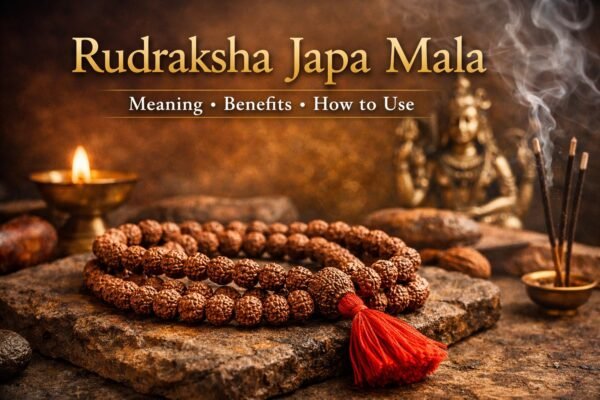
A rudraksha japa mala is a rosary-like string made from Rudraksha beads, used to count mantra repetitions during meditation or prayer.
Why 108 Beads?
Traditionally, a japa mala contains 108 beads, because 108 is considered a sacred number in the Vedic and yogic worldview.
A rudraksha mala helps you:
-
stay consistent in your chanting
-
keep track of mantra counts
-
remain focused without distraction
Why Rudraksha Is Sacred in Vedic Tradition
In spiritual tradition, Rudraksha is associated with Lord Shiva and considered deeply auspicious for devotees.
Traditional Belief (Respectfully Shared)
According to ancient stories and spiritual texts, Rudraksha is believed to have originated from the tears of Shiva, symbolizing compassion and divine energy.
Rudraksha is traditionally worn or used to:
-
support spiritual discipline
-
enhance devotion and mantra practice
-
maintain calmness and clarity (spiritual perspective)
Note: These are traditional and spiritual beliefs, not medical claims. Rudraksha should not be viewed as a guaranteed solution for health issues.
Key Benefits of Using a Rudraksha Japa Mala (Spiritual Perspective)
Many seekers choose a rudraksha japa mala because it is believed to support:
1. Better Focus During Japa
Touching each bead gives the mind a steady rhythm, which may reduce distractions.
2. Stronger Spiritual Intention
Traditionally, Rudraksha is considered a “sattvic” (pure) aid for mantra chanting.
3. A Deeper Connection With Shiva Energy
Devotees feel closer to Shiva and find it easier to remain in a devotional state.
4. Inner Calm and Stability (Traditional Belief)
Some believe Rudraksha supports inner steadiness and emotional balance—again, this is a spiritual belief, not proven medical fact.
How to Use a Rudraksha Japa Mala Correctly (Step-by-Step)
If you are new to japa, don’t worry—using a rudraksha japa mala is simple.
Step-by-step method:
-
Sit comfortably in a calm place
-
Hold the mala in your right hand
-
Start from the bead next to the Guru bead (the larger bead)
-
Move one bead at a time after each chant
-
Complete 108 repetitions
-
When you reach the Guru bead again, do not cross it
-
Instead, turn the mala around and continue if doing another round
Best Practices:
-
Chant with love and attention
-
Avoid rushing or multitasking
-
Keep the mala clean and treated respectfully
Rudraksha Japa Mala Rules: What to Do and Avoid
Different traditions have different levels of discipline. Here are common respectful guidelines:
Do:
-
Keep your mala in a clean pouch
-
Use it only for japa if possible
-
Wash hands before use
-
Chant in a peaceful mindset
Avoid:
-
Letting others handle your mala often
-
Using it casually like jewelry
-
Placing it on the floor
-
Using it while eating or in unclean environments (as per traditional discipline)
How to Choose the Right Rudraksha Japa Mala
Not all malas are the same. If you’re buying a rudraksha japa mala online, authenticity and bead quality matter.
What to check before buying:
-
Authentic Rudraksha (not imitation wood or plastic)
-
Natural bead texture and mukhi lines
-
Well-drilled, evenly sized beads
-
Strong thread or durable silver/gold wire
-
Proper bead count (108 + Guru bead)
Recommended for Beginners
Beginners usually start with:
-
5 Mukhi Rudraksha mala (widely used, versatile, devotional)
Types of Rudraksha Japa Mala (Common Options)
Here are popular variations seekers choose:
1. 5 Mukhi Rudraksha Japa Mala
Most common and widely used in daily japa.
2. 6 Mukhi / 7 Mukhi Malas
Chosen based on personal tradition, spiritual preference, or guidance.
3. Combination Malas
Some malas include multiple mukhis or supporting beads like crystal or sandalwood.
Tip: If unsure, consult an authentic Rudraksha expert for personalized guidance.
Caring for Your Rudraksha Japa Mala (Maintenance Tips)
Rudraksha is natural, so care helps it last longer.
Simple care tips:
-
Store in a soft pouch
-
Keep away from harsh chemicals or perfumes
-
Occasionally wipe with a clean cloth
-
Some traditions apply a light natural oil (optional and tradition-based)
FAQ: Rudraksha Japa Mala (Common Questions)
1. Can beginners use a rudraksha japa mala?
Yes. Rudraksha japa mala is beginner-friendly and widely used for simple mantra chanting.
2. Which mukhi rudraksha is best for japa mala?
The 5 Mukhi Rudraksha mala is the most commonly recommended for daily chanting.
3. Can I wear the japa mala as a necklace?
Traditionally, japa malas are used for chanting. If you want to wear Rudraksha, many people choose a separate necklace or bracelet.
4. How many times should I chant with a mala?
A full mala round is 108 chants. Beginners can start with 1 round daily and increase gradually.
5. Does Rudraksha guarantee spiritual results?
No one can guarantee outcomes. Rudraksha is traditionally believed to support spiritual practice, but results depend on sincerity, discipline, and grace.
Conclusion: A Sacred Companion for Your Spiritual Journey
A rudraksha japa mala is more than a counting tool—it is a spiritual aid deeply respected in Vedic and devotional traditions. For beginners, it offers structure and focus. For dedicated seekers, it becomes a sacred rhythm that strengthens mantra practice and inner awareness.
If you’re looking to begin japa or purchase an authentic rudraksha mala, it’s best to choose a trusted source and seek guidance when needed.
✨ Ready to explore authentic malas and learn more?
👉 Browse or consult here: Visit Mukhi Rudraksha