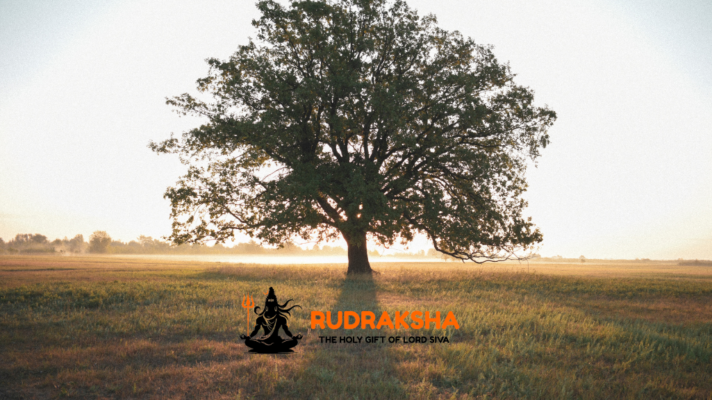
The Rudraksha tree (Elaeocarpus ganitrus) has long been venerated in Indian traditions for its spiritual, religious and medicinal importance. Its seeds serve as natural electromagnetic conductors to balance bodily energies according to Ayurveda principles.
Scientists are conducting extensive research on this species of plant to better understand its botanical characteristics, growth conditions and therapeutic uses. Their efforts support conservation efforts while safeguarding an invaluable cultural and medicinal resource.
Botanical Characteristics of Rudraksha tree
Rudraksha is an evergreen broad-leafed tree renowned for its seeds being used as prayer beads within Hinduism. These holy seeds are said to contain Lord Shiva’s tears. Additionally, this plant is considered medicinal; commonly found within Ayurvedic, Siddha and Unani medicine systems and often employed to help treat depression; brain health concerns; high blood pressure control, asthma relief or epilepsy treatment.
Rudrakshas are remarkable tolerant and adaptable plants, suitable for growing in most climates across tropical and temperate zones. Easy to cultivate and require little maintenance, these ornamental species make a fantastic choice for home gardens as nutrient-rich additions. To grow them successfully you’ll need both garden soil and coco peat!
Rudraksha has long been used therapeutically, both traditionally and through modern research. Understanding its pharmacological effects allows healthcare practitioners to integrate it into holistic approaches. Rudraksha symbolizes compassion, which was personified in Shiva himself; some say its seeds represent his tears – this imagery has long been documented within Hindu mythology and scriptures.
Geographical Distribution or Rudraksha tree
Rudraksha (Elaeocarpus ganitrus) is an evergreen tree belonging to the Elaeocarpaceae family that exhibits several medicinal properties such as anti-depressant; analgesic; antidiabetic; natural tranquilizer and magnetic properties known to slow heart rate and blood pressure as well as exhibit antimicrobial, antioxidant and anxiolytic activity.
This species can be found throughout Southeast Asia, particularly countries like Java, Nepal and India with ideal climates. It reaches heights between 50 to 80 feet while producing fruit that resemble olives.
Rudraksha seed shells feature different numbers of grooves called mukhi that determine its benefits and significance. A single seed may feature anywhere between one to 21 faces representing different qualities; some Hindus believe that wearing beads from this tree will bring good health, wealth, wisdom and courage into their lives – hence it holds such an influential place!
Cultivation and Propagation
Rudraksha trees have spiritual and medicinal significance for Hindus, Buddhists and Jains alike. Their beads (known as mukhis) can help ward off bad spirits while relieving stress levels and providing relief from ailments; additionally they are commonly used as meditation and prayer ritual adornments.
Rudraksha trees are sensitive to changes in temperature and rainfall patterns. Preferring well-drained soil with good air circulation for optimal growth, these trees have also adapted well to different altitudes – up to 2000 meters!
Rudraksha plants require water for optimal growth, yet overwatering can cause root rot and fungal infections. To avoid these issues, water the plant when the soil feels dry; alternatively neem spray may help control pests. In terms of sunlight requirements, Rudraksha thrives best when placed in an appropriate location that suits local climate conditions – planting between March and May gives enough time for its roots to adjust before summer arrives and temperatures heat up further.
Fruit and Seed Development
Rudraksha seeds are uniquely protected by an endocarp that serves to prevent mechanical damage while also aiding their germination. This structure stands out among other plants; it demonstrates adaptability of Rudraksha to its habitat and environment.
Rudrakshas are self-pollinating, but manual pollination can boost their success of seed production. This process involves carefully moving pollen from one flower to another; conditions ideal for this are warm temperatures and enough rainfall.
Understanding the ecological conditions where Rudraksha thrives can enhance its use as both medicinal and spiritual herb. Such knowledge informs horticultural and cultural practices as well as scientists studying anthropogenic disturbances on this species.
Rudraksha is an extremely revered plant in both Hinduism and Buddhism, representing Lord Shiva’s tears as part of religious rituals. Additionally, its anticonvulsant, antidiabetic, anxiolytic, analgesic effects make it a valuable aid for addressing vata imbalances according to Ayurvedic principles.
Chemical Composition
Rudraksha seeds are revered by Hindus, representing Lord Shiva’s tears. Worn as prayer beads in meditation and healing practices, each seed may represent its respective power or deity – with five grooves for Lord Shiva representing his tears to 21 grooves representing his eyes.
Taxonomic classification of Rudraksha is essential to understanding its species-specific properties as well as its medicinal and spiritual significance, cultivation efforts, propagation efforts and proper usage for use in herbal medicine.
Pharmacological studies confirm ancient wisdom by providing concrete evidence of Rudraksha’s chemical compounds’ therapeutic benefits, such as their anti-inflammatory, antioxidant and antimicrobial activities.
Forests provide ideal environments for the growth and preservation of Rudraksha trees, underscoring their ecological value and making understanding their characteristics crucial to conservation efforts. Knowing more about them helps promote sustainability while guaranteeing an uninterrupted supply of medicinal and spiritual plants such as Rudraksha.
Ecological Significance
Rudraksha has long been used in Ayurveda practices. It is thought to balance bodily energies and improve mental wellbeing while relieving symptoms associated with anxiety or stress. Understanding its medicinal properties facilitates its incorporation into contemporary therapeutic approaches.
Rudraksha is also ecologically significant species; its native habitat boasts rich biodiversity but is threatened by human factors. Biotechnological techniques may be utilized to micropropagate Rudraksha seeds and plant parts and protect its survival in nature.
Elaeocarpus ganitrus nodal explants were utilized to develop an efficient micropropagation protocol for large-scale propagation at suitable sites in India. Shoot initiation was enhanced by using MS medium supplemented with Casein hydrolysate at 2.2mM BA concentration and shooting increased rapidly and had high survival when planted back into the ground – providing an opportunity to efficiently cultivate Rudraksha while meeting rising demand for this sacred tree.
Cultural and Religious Importance
Rudraksha seeds hold great spiritual meaning for Hindu culture, often being described as Lord Shiva’s tears or symbols of spiritual enlightenment. Each Rudraksha seed features multiple faces or mukhis; these hold different spiritual associations – for instance five-faced beads represent him while single-faced seeds only symbolize him on his own.
Rudrakshas are found throughout the forests of Himalayan region, Nepal, Indonesia and parts of Southeast Asia. These subtropical climate-loving flowers prefer altitudes between 300-3000 meters.
Farmer used these trees primarily as firewood and consumed their unripened fruit; today however, these magical trees are being grown for their many magical powers and benefits, including air purification, water filtration and healing properties.
Planting Rudraksha trees in your garden on an auspicious day is an effective way to promote environmental sustainability and spiritual well-being, foster community well-being, and deepen connections to nature. It is ideal to place these trees near the northeast corner for maximum effect.
where to get rudraksha tree?
Rudraksha is an ancient tree with mystifying and spiritual properties. According to legend, its seeds originated when Lord Shiva, the Hindu God, shed tears when witnessing human suffering; these tears became the seedpods for this plant which has one to 21 grooves on each surface that hold different benefits and meaning.
This unique tropical evergreen variety is an easy addition to home gardens, ideal for containers. It prefers full sunlight and thrives in warm, tropical climates; well-drained soil is essential. Find it at local greenhouses or online!
Rudraksha trees make an eye-catching addition to any yard while simultaneously improving energy flow and shielding against negative energies. According to Vastu Shastra – an ancient Indian science of design and layout – having one in your home can be considered auspicious, with different beads associated with different Vastu doshas, such as 5 Mukhi Rudrakshas helping reduce debt while increasing wealth, or 11 Mukhi Rudrakshas mitigating health and relationships doshas.