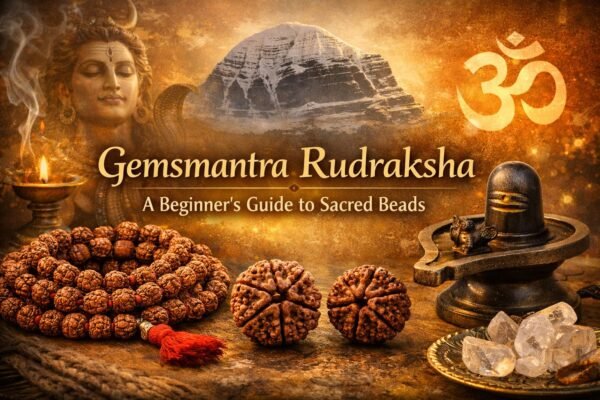
If you’ve been searching for gemsmantra rudraksha, you’re not alone. Many spiritual seekers and first-time buyers look online for a Rudraksha that feels authentic, sacred, and suitable for daily wear—without confusion about types, “mukhi,” certification, or rituals.
Rudraksha is more than a bead. In the Vedic and Shaiva tradition, it is respected as a sacred gift connected with Lord Shiva—worn for devotion, inner steadiness, and spiritual discipline. But because Rudraksha is also widely sold online, it’s important to understand what you’re buying and how to choose responsibly.
This guide keeps things simple and practical—especially if you’re a beginner—while staying respectful to traditional beliefs (without making medical promises).
What Is Rudraksha?
Rudraksha beads come from the seeds of the Rudraksha tree (Elaeocarpus ganitrus). In traditional stories, Rudraksha is linked with Rudra (Shiva) and Aksha (tears/eyes)—symbolizing compassion, tapas (spiritual effort), and protection of one’s spiritual path.
Why people wear Rudraksha (traditional view)
From a spiritual perspective, people wear Rudraksha to support:
-
Calmness and groundedness during sadhana (daily spiritual practice)
-
Better focus for japa (mantra repetition)
-
A devotional connection with Shiva
-
A reminder to live with discipline, purity, and awareness
Important note: These are traditional beliefs and devotional perspectives. Rudraksha should not be treated as a substitute for medical care or professional guidance.
Why the Keyword “Gemsmantra Rudraksha” Is So Common
When someone types gemsmantra rudraksha into Google, it usually means they are:
-
Comparing online sellers and authenticity claims
-
Looking for certified rudraksha with documentation
-
Checking price ranges and bead quality
-
Wanting guidance on which mukhi is best for beginners
-
Trying to avoid artificial, carved, or low-quality beads
So rather than focusing only on a name, the smarter approach is to learn how to evaluate Rudraksha correctly—so you can buy with confidence anywhere.
Understanding “Mukhi” (Faces) in Rudraksha
A common beginner question is: What does “mukhi” mean?
Mukhi refers to the natural lines or segments on the bead’s surface. These lines are traditionally counted as “faces.” Different mukhi types are associated with different energies and deities in the tradition.
Popular mukhi types for daily wear (beginner-friendly)
Here are a few common ones often used in a rudraksha mala or as single-bead wear:
-
5 Mukhi (Panchmukhi Rudraksha): Most commonly worn; traditionally linked with calmness, devotion, and steady practice
-
6 Mukhi: Traditionally associated with willpower, discipline, and learning
-
7 Mukhi: Traditionally linked with prosperity consciousness and stability
-
8 Mukhi: Traditionally associated with obstacle-clearing energy (devotional belief)
Tip: If you’re a beginner and unsure, panchmukhi rudraksha is widely considered a safe, traditional starting point.
How to Check Authenticity When Buying Rudraksha Online
Whether you’re searching gemsmantra rudraksha or any other store, authenticity matters. Many buyers get confused because fake or modified beads can look convincing in photos.
1) Look for proof: lab tests or certification
A trustworthy seller often provides some form of verification, such as:
-
Lab certificate (from a recognized lab)
-
X-ray / CT scan details for rare mukhi types
-
Clear, close-up bead images from multiple angles
(Note: Certification standards vary by seller and lab. Still, documentation is better than vague claims.)
2) Beware of “too perfect” faces
Natural mukhi lines vary. Be cautious if:
-
Faces look unnaturally sharp and carved
-
Lines seem painted or etched
-
The bead looks overly symmetrical like a machine-made item
3) Ask about origin and quality grading
Many buyers prefer knowing origin (Nepal/Indonesia, etc.) and the bead’s quality parameters:
-
Size
-
Weight
-
Surface texture
-
Natural holes vs drilled holes (drilling is common, but should be neat and clean)
4) Check return policy and transparency
A genuine rudraksha online store usually has:
-
Clear product photos and descriptions
-
A transparent return/exchange policy
-
Support to help you choose the right bead
5) Avoid guaranteed “instant results”
In spiritual items, promising guaranteed outcomes is a red flag. Rudraksha is traditionally respected as supportive—not a “magic fix.”
Rudraksha and Mantra: Simple Meaning (Without Complication)
Many traditions recommend energizing or sanctifying Rudraksha before wearing. This is often called pran pratishtha (invoking sacred intention). You don’t need to overcomplicate it.
A beginner-friendly spiritual approach
If you want to follow a simple devotional method:
-
Wash the bead gently with clean water
-
Sit calmly and offer a short prayer to Lord Shiva
-
Chant “Om Namah Shivaya” 9, 27, or 108 times
-
Wear it with a pure intention (sankalpa): peace, devotion, self-control, clarity
If you follow a specific guru or sampradaya (tradition), it’s best to follow their recommended method.
How to Wear Rudraksha (Simple Rules)
Rudraksha can be worn as:
-
A rudraksha mala (neck)
-
A bracelet
-
A single bead in a pendant (popular for daily wear)
Basic wearing tips (traditional + practical)
-
Wear it with respect, like a sacred item
-
Choose comfortable thread/chain (silk/cotton traditionally; metal settings are also used)
-
Keep it clean and avoid harsh chemicals
-
If you remove it, store it in a clean place (not on the floor)
Rudraksha Care Guide: Make It Last for Years
Rudraksha is organic. With basic care, your original rudraksha beads can remain beautiful for a long time.
Rudraksha care checklist
-
Avoid prolonged contact with perfumes, soaps, and detergents
-
Remove during swimming (chlorine can be harsh)
-
Don’t scrub aggressively with brushes
-
Occasionally apply a tiny amount of natural oil (some traditions use almond oil or ghee in small quantity) to prevent dryness
-
Wipe gently with a soft cloth if it looks dusty
(Care practices can vary by tradition; follow what your seller or spiritual guide recommends.)
Common “Benefits” People Mention (Traditional Belief)
This section is shared respectfully as traditional belief and spiritual perspective, not medical fact.
From the traditional and devotional viewpoint, Rudraksha is believed to support:
-
A calm, prayerful mind during japa
-
Emotional steadiness and self-discipline
-
Protection from negativity (in the spiritual sense)
-
Stronger focus on spiritual goals
-
A feeling of being “connected” to Shiva tattva (Shiva principle)
✅ Reminder: These are not guaranteed outcomes, and Rudraksha is not a replacement for healthcare or professional support.
How to Choose the Right Rudraksha for You
If you’re browsing gemsmantra rudraksha listings (or any online store), don’t get overwhelmed by too many claims. Start with clarity.
Choose based on your intention (simple way)
Ask yourself:
-
Do I want a daily-wear bead for peace and devotion?
-
Do I need a mala mainly for chanting?
-
Is comfort and authenticity more important than rarity?
Beginner recommendation (commonly chosen)
-
Panchmukhi Rudraksha: widely worn, easy to maintain, and spiritually beginner-friendly
-
Rudraksha mala (5 mukhi beads): ideal if you plan regular mantra chanting
If you want a more personalized choice
Consider consulting a knowledgeable Rudraksha expert—especially before buying rare, high-priced mukhi types.
Buying Rudraksha Online: A Smart Buyer’s Checklist
Before you finalize a gemsmantra rudraksha or any online purchase, quickly review this:
-
✅ Clear photos (front, back, hole, close-ups)
-
✅ Mention of whether it’s certified rudraksha (and by whom)
-
✅ Authenticity support (lab report for higher mukhi types)
-
✅ Return/exchange policy
-
✅ Transparent pricing (no exaggerated “miracle” marketing)
-
✅ Good customer support for selection guidance
1) What does “gemsmantra rudraksha” usually refer to?
It’s commonly a search phrase used by buyers looking for Rudraksha products online. Many people use it while comparing authenticity, price, and certification options across sellers.
2) Which Rudraksha is best for beginners?
Traditionally, panchmukhi rudraksha is one of the most commonly recommended options for beginners because it’s widely worn and considered suitable for daily spiritual life.
3) Do I need certification to buy Rudraksha?
For common mukhi types (like 5 mukhi), some buyers rely on seller reputation and visual quality. For rare and expensive beads, certified rudraksha documentation (lab testing) can add confidence.
4) Can I wear Rudraksha every day?
Many people do, especially as a reminder of spiritual intention. Practically, daily wear is fine if you maintain basic care (avoid harsh chemicals, keep it clean).
5) Can Rudraksha guarantee results?
No. From a spiritual perspective, Rudraksha is considered supportive for devotion and discipline, but outcomes depend on faith, practice, and personal life factors. It should never be marketed as a guaranteed fix.
6) What’s better: single bead or rudraksha mala?
-
Single bead: simple, beginner-friendly, easy daily wear
-
Rudraksha mala: best for mantra chanting and consistent japa practice
Conclusion: Choose Rudraksha with Faith, Clarity, and Authenticity
Searching for gemsmantra rudraksha is often part of a bigger journey: wanting something sacred that feels genuine, meaningful, and aligned with your spiritual path. When you focus on authenticity, transparency, and simple daily practice, Rudraksha becomes more than a product—it becomes a companion for devotion.
If you’d like to explore authentic options or get guidance on choosing a suitable bead or mala, you can browse here:
👉 Explore Rudraksha options